When people talk about football, most of them think about Europe, Brazil or big stadiums filled with fans. But very few people know that a large part of the footballs used in the world are actually made in Pakistan.
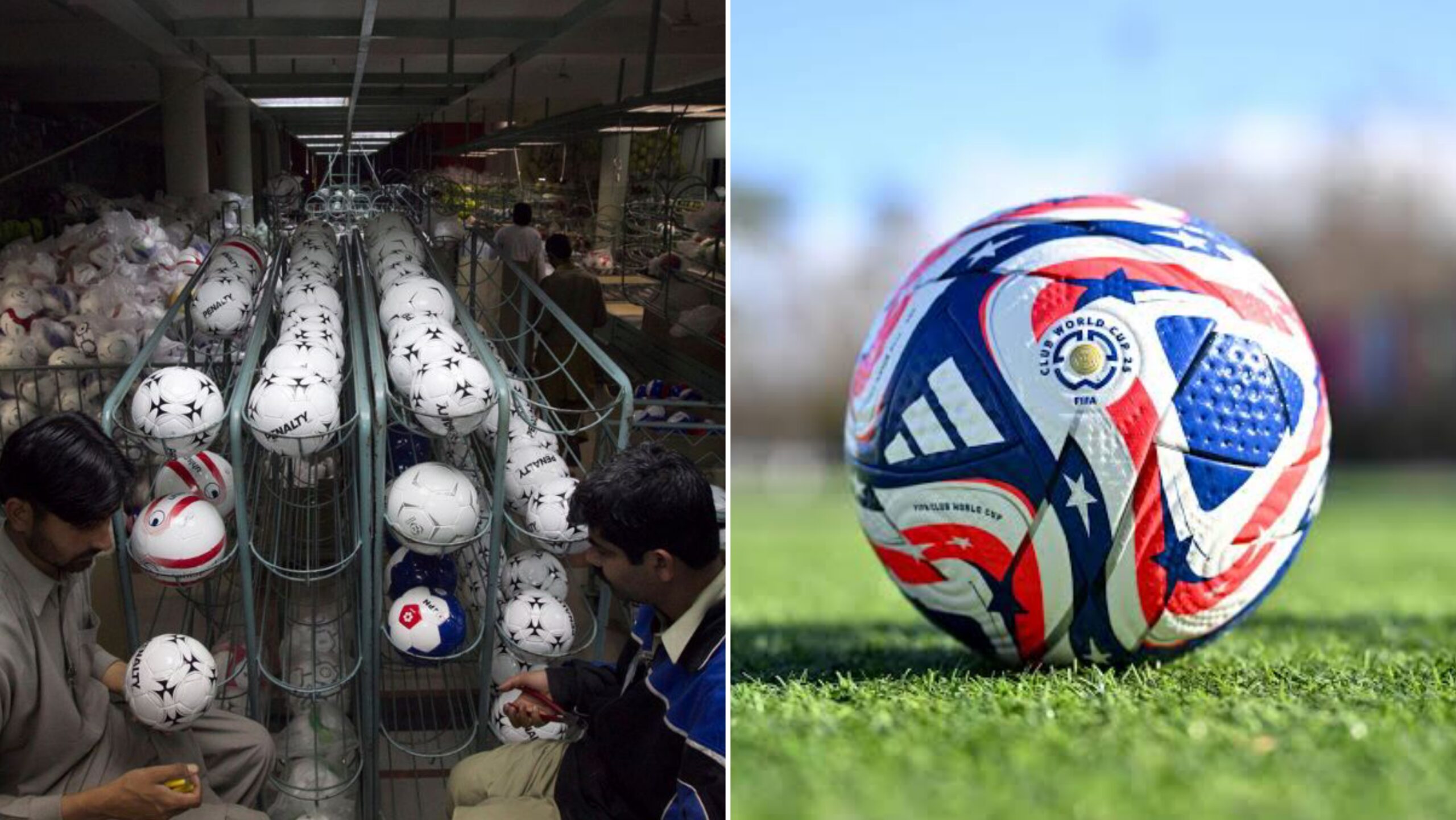
The city of Sialkot, located in Punjab, has earned a special place in the global sports industry. It is widely known as the world’s hub for hand-stitched footballs. In fact, around 60 to 70 percent of the world’s footballs are produced here, especially the hand-stitched ones used in major tournaments and training matches.
How It All Started
Sialkot’s football industry did not develop overnight. It has a long history of skilled craftsmanship passed down through generations. Local workers, including many women working from home, are involved in stitching football panels with great care and precision.
Over time, small workshops turned into a full industrial network. Today, hundreds of factories and export units operate in the city, supplying footballs to international brands and sports companies.
Why Sialkot Is So Important
The success of Sialkot is not just about production, but about skill and trust. The footballs made here are known for their durability, quality stitching, and reliability. That is why many international sports events and brands rely on this city for supply.
Another important factor is the hardworking nature of the people. Even today, much of the stitching work is done manually, which helps maintain quality standards that machines sometimes cannot match.
Global Recognition
Over the years, Sialkot has gained global recognition as a major exporter of sports goods, not just footballs. The city exports gloves, cricket equipment, and other sports items to different countries around the world.
Football manufacturing remains one of its strongest industries and a source of pride for Pakistan.
Sialkot’s contribution to the global sports industry shows how skill, dedication, and tradition can turn a small city into an international name. While people around the world enjoy football on the field, many of those same footballs begin their journey in the workshops of Sialkot, Pakistan.