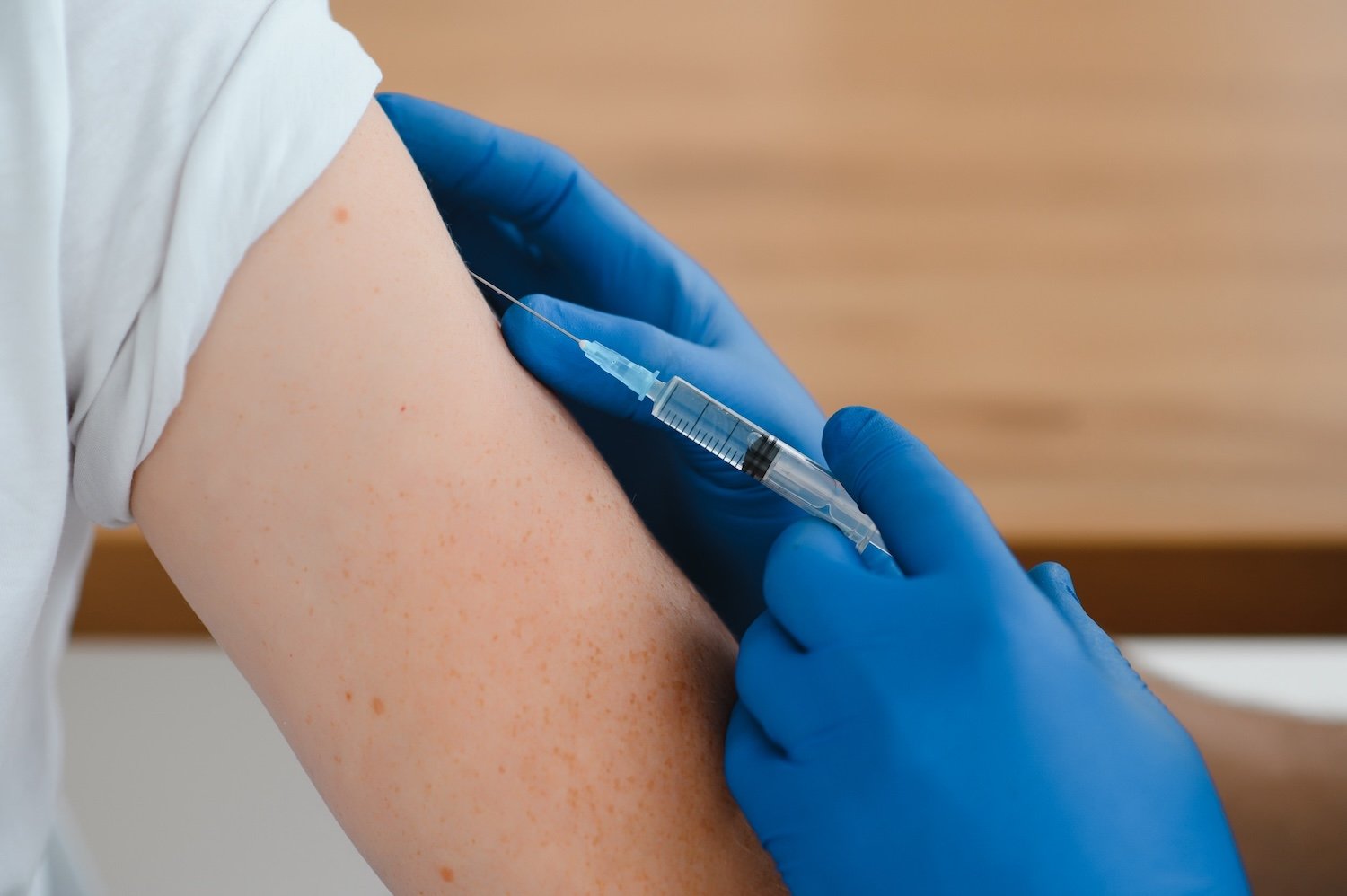
Measles, a disease that we once thought was under control, is back with a vengeance in Pakistan. In the first four months of 2026, 71 children across the country have tragically lost their lives due to this highly contagious viral disease. The situation has become even more alarming as thousands of children have been affected, with Sindh being the hardest-hit province, where 40 deaths were reported alone.
It’s a bitter reminder that measles is still a deadly threat, especially when vaccination efforts fall short. The government and health officials have long warned about the importance of immunization, but despite all the efforts, gaps in routine vaccinations, worsened by the COVID-19 pandemic and vaccine hesitancy, have allowed measles to resurface.
Why Is This Happening?
The main reason behind the ongoing measles outbreak is the lack of widespread vaccination coverage. Many children, especially in rural and underserved areas, have not been vaccinated. Some of these children belong to the group called “zero-dose” children, who have not received any vaccinations at all. Experts say that disruptions in healthcare during the pandemic have made it difficult for many families to get their children vaccinated on time.
A second big factor is vaccine hesitancy. Some parents, influenced by misinformation or fear, choose not to vaccinate their children. This is a growing concern that health officials are trying to tackle through awareness campaigns.
Moreover, the measles vaccine is one of the safest and most effective ways to protect children from this deadly disease. When a child receives two doses of the vaccine, they are almost entirely protected from measles. However, in Pakistan, coverage has been insufficient in many areas.
The Impact on Our Communities
The pain of losing a child to a preventable disease is unbearable for any parent. The grief in families who have lost children to measles is a heart-wrenching reality that we cannot ignore. The situation is also putting extra pressure on healthcare workers, who are doing everything they can to control the spread of the virus, but they need more support from the public and the government.
The loss of these young lives also comes at a significant economic cost. The long-term effects of these outbreaks can be felt in the healthcare system, and in communities where people are already struggling with other challenges.
What Can We Do?
As citizens, it is our duty to protect our children. We need to ensure that every child receives their full vaccination schedule on time. If you have children, check with your healthcare provider to make sure they are vaccinated and up-to-date on their shots.
It’s also crucial that we support public health campaigns and encourage others to get their children vaccinated. Information is key, and combating misinformation about vaccines is something we must all be part of.
The rise of measles deaths is a wake-up call for all of us.