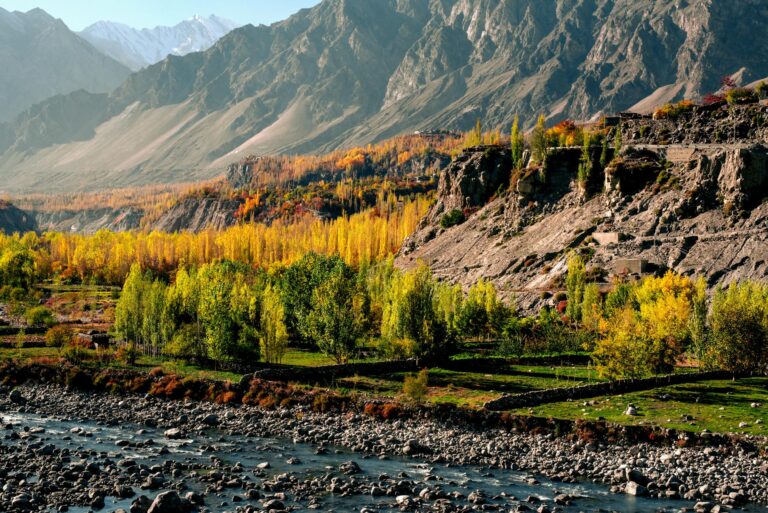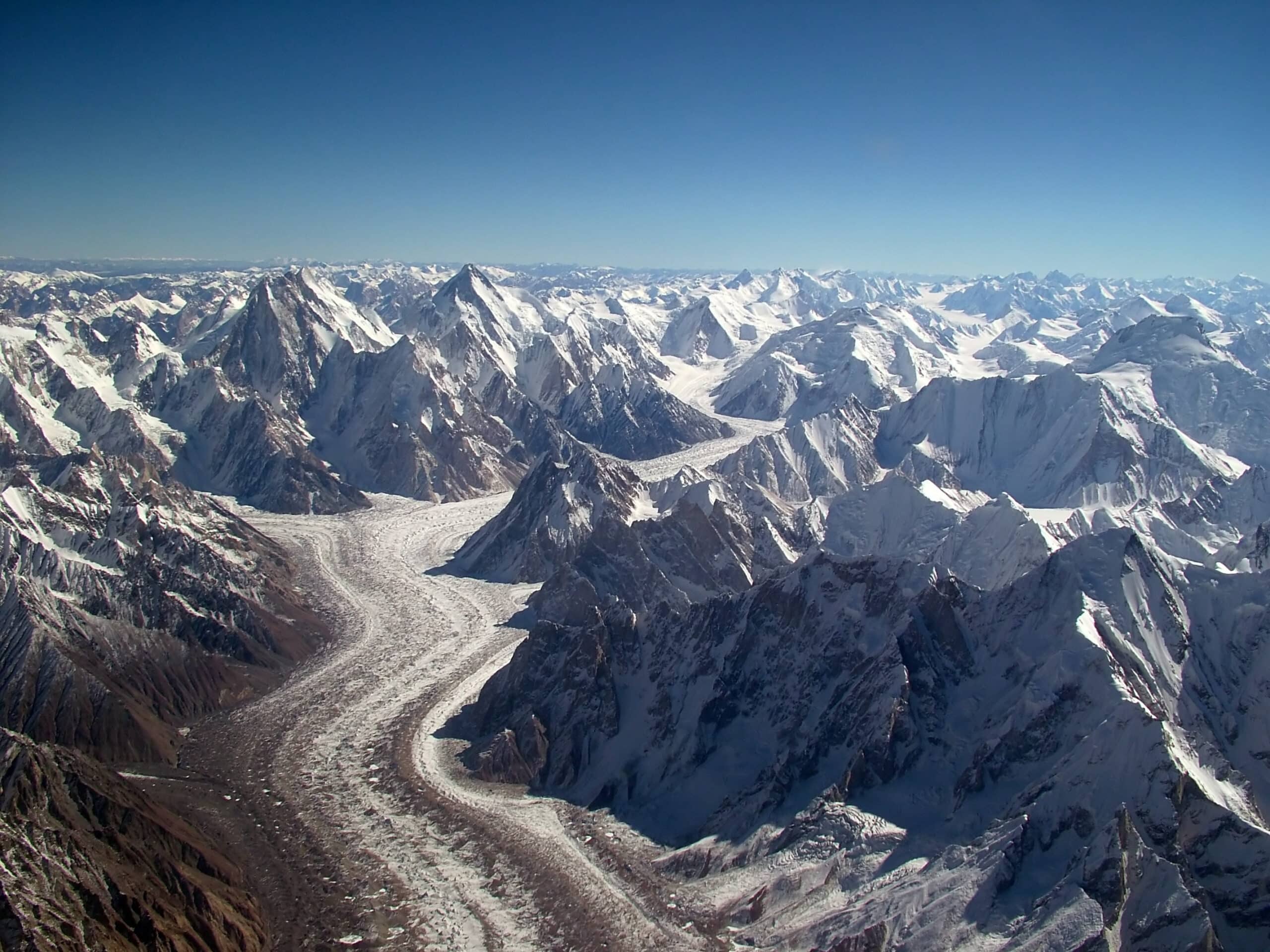
Pakistan is one of those rare countries in the world that is blessed with a huge natural ice system. In the northern areas of Pakistan, especially in Gilgit-Baltistan and Khyber Pakhtunkhwa, there are more than 7,000 to 7,200 glaciers. These glaciers are spread across the mighty mountain ranges of the Karakoram, Himalayas, and Hindu Kush. In fact, Pakistan holds the highest number of glaciers outside the polar regions, which makes it extremely important in terms of water resources.
These glaciers are not just ice sitting on mountains. They are like natural water storage tanks for the country. During hot seasons, they slowly melt and feed the Indus River system, which is the lifeline of Pakistan. This water is used for drinking, farming, and also for producing electricity through dams and hydropower projects. Without these glaciers, Pakistan’s agriculture and water supply system would face serious problems.
One of the most famous glacier regions is the Karakoram Range, which is known for having some of the longest and largest glaciers in the world, including the well-known Siachen Glacier. Interestingly, while many glaciers around the world are shrinking due to climate change, some glaciers in the Karakoram region are showing unusual stability. Scientists call this a rare natural phenomenon and it makes Pakistan’s glacier system even more unique.
However, experts also warn that climate change is still a major threat. Rising temperatures, irregular weather patterns, and human activities can affect these glaciers in the long run. If glaciers start melting faster than normal, it could lead to floods in some areas and water shortages in others.
In simple words, Pakistan’s glaciers are not just beautiful natural landscapes. They are a lifeline for millions of people and a key part of the country’s future water security. Protecting them is not just important, it is necessary for survival.