A short, painful summary
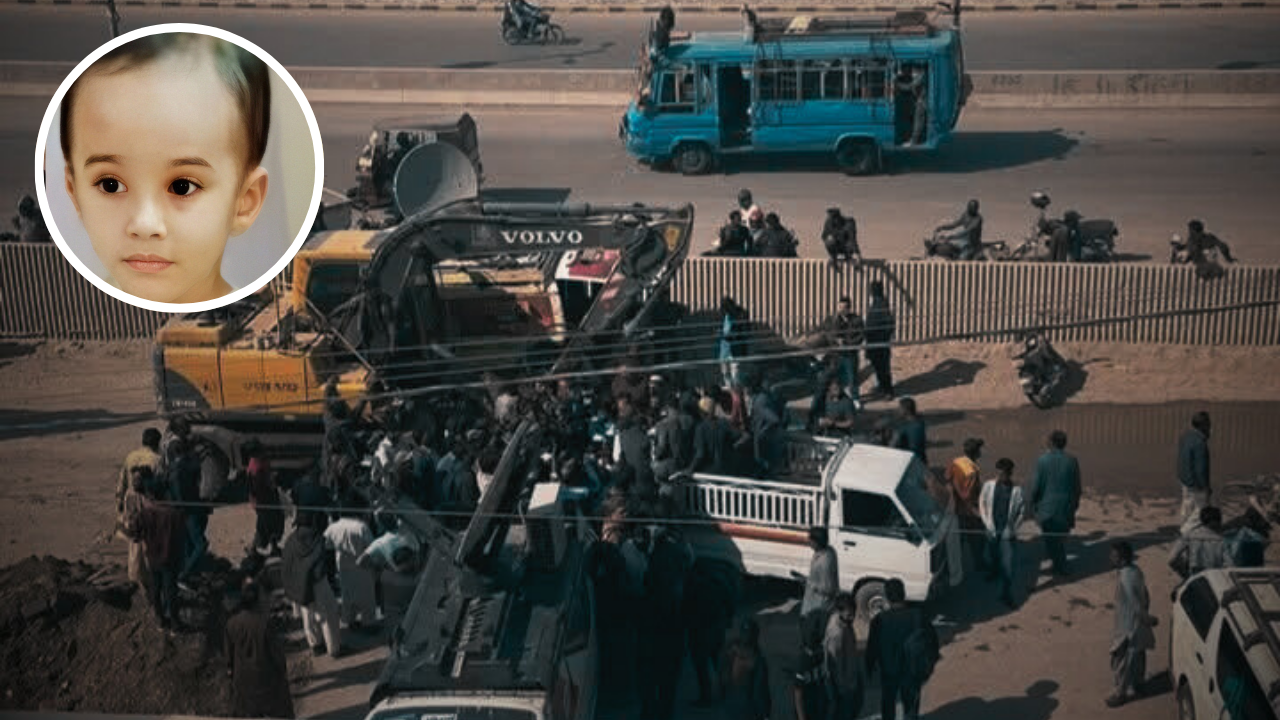
Three-year-old Ibrahim fell into an uncovered manhole near Nipa Chowrangi in Gulshan-e-Iqbal, Karachi late on Sunday night. After an extensive search lasting about 14 to 15 hours, rescue teams recovered his body in a drain several dozen metres from the spot where he vanished.
What happened
The family had been shopping near a department store when the child reportedly ran ahead and slipped into an uncovered manhole outside the shop just before midnight. Neighbours and passersby raised the alarm and rescue teams, including Rescue 1122 and Edhi, were called to the scene. Early rescue attempts involved digging and tracing the flow of water through underground drains to locate the child.
The search and recovery
Teams worked through the night under extremely difficult conditions. Heavy machinery was used to excavate sections of the sewer/drain system, and rescuers traced the likely path of the moving water. Officials later said the body was found some distance away from the original manhole, which indicates the child was swept downstream by strong currents inside the drainage system. The recovery came roughly 14 to 15 hours after the fall.
Official response and investigation
City officials, including the Karachi mayor, have said an inquiry will be launched to determine how the manhole remained uncovered and whether any negligence contributed to the tragedy. Local residents staged protests at the site, demanding answers and faster action from municipal departments. Authorities also indicated they are obtaining CCTV footage from nearby shops to reconstruct the sequence of events.
Human cost and community reaction
The boy, identified as Ibrahim and described by relatives as the couple’s only son, leaves a grieving family and a shaken neighbourhood. Outrage and sorrow spread quickly on social media and at the scene; residents criticized the delayed availability of heavy equipment and pointed to long-standing infrastructure neglect that puts children and pedestrians at risk. The incident resonated beyond the immediate locality, prompting calls for accountability and quicker municipal maintenance.
Why this keeps happening
Uncovered or poorly secured manholes, inadequate signposting, and overflowing or fast-flowing drains during heavy use create hazards that are easily underestimated, especially at night. In dense urban areas, a small moment’s distraction can turn into a disaster when infrastructure is unsafe. Preventing similar tragedies requires both short-term fixes and longer-term governance improvements: regular maintenance, mandatory covers, visible warning signs, better lighting, and clear departmental responsibility for repairs.
What should come next
Local authorities should publish a clear timeline of the response, release CCTV footage or official statements explaining how the incident unfolded, and outline the steps needed to prevent similar incidents in the future. An immediate audit of manholes and open drains in busy commercial areas, along with a firm commitment to proper covers, repairs, and temporary barriers where required, is essential. The family also deserves a transparent investigation and prompt support with medico-legal procedures.