Pakistan’s floods are usually the result of a mix of powerful weather and avoidable human problems. The heavy summer monsoon and melting snow/ice pour huge volumes of water into rivers and valleys, and when that water meets blocked drains, concrete floodplains, or eroded hillsides — things break. The result: flash floods, riverine floods and urban inundation that hit people hard.
1. The main natural drivers — monsoon and meltwater
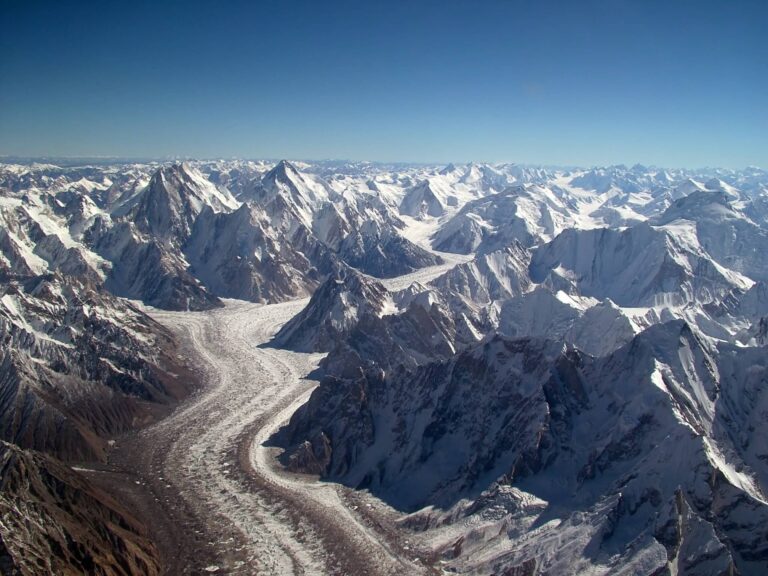
Most floods happen in the monsoon months (roughly mid-June to mid-September). Intense, prolonged monsoon storms can dump enormous amounts of water over short periods. At the same time, snow and glacier melt in the upper Indus catchment add extra runoff into rivers already bulging from rain. When both happen together — heavy rain plus upstream melt — rivers can overflow quickly.
2. Extreme events — not just “more rain”
Some floods happen because of multi-day extreme rainfall or short bursts of very heavy rain on already wet soil. That was a major factor in the catastrophic 2022 floods, when weeks of extreme monsoon precipitation — with repeating intense spikes — caused unprecedented river and flash flooding across large areas. International analyses found the rainfall patterns were the direct driver of that disaster.
3. Human-made problems that make floods worse
Nature supplies the water; human decisions often decide how badly it hurts. Key issues include:
- Encroachment on floodplains and building where rivers naturally spread.
- Poor or outdated drainage in cities, so stormwater has nowhere to go.
- Deforestation and land degradation in hill slopes that speeds runoff and causes landslides.
- Siltation and limited flood-storage infrastructure that reduce rivers’ capacity. When natural pulses of water meet these man-made vulnerabilities, flooding becomes deeper, faster, and more destructive.
4. Climate change: turning up the volume
Scientific assessments show human-caused warming is increasing the intensity and volatility of heavy rainfall in many places, including South Asia. That means unusually intense monsoon downpours — the kind that overwhelm rivers and drains — are becoming more likely, so floods can arrive with greater force and less warning.
5. Why floods feel like a yearly disaster
Every summer, the monsoon arrives — and with it, the risk of flooding. The problem is that our cities and villages are not ready to handle the sheer amount of water. Weak drainage systems, rapid urban growth, and settlements built on floodplains make even moderate rains dangerous. That’s why people often say, “it happens every year,” because the cycle of rain plus poor planning keeps repeating.
6. A glimpse of the human side
Picture a family in Sindh. One night the rain begins, steady at first, then relentless. By morning, the courtyard is waterlogged. The children shift to the roof, clutching a few dry belongings, while their father tries to push water out with a broken bucket. For them, a “flood” isn’t a news headline — it’s sleepless nights, ruined food stores, and the fear of starting all over again.
7. Steps that can truly help
- Keep rivers and drains clear so water has space to flow.
- Avoid building in high-risk zones where floods naturally spread.
- Replant trees and restore wetlands to slow down runoff.
- Invest in stronger infrastructure like dams, levees, and modern stormwater systems.
- Improve early warning systems so people can prepare in time.
These aren’t impossible tasks — they just need consistency, political will, and community effort.
Final Words:
Floods may be a natural part of Pakistan’s climate, but the scale of destruction is not. With better planning, stronger infrastructure, and a respect for nature’s limits, what feels like an inevitable yearly tragedy can be turned into a challenge we are prepared to face, not just endure. It is a test of how much we value human lives over short-term gains, and how willing we are to learn from our mistakes. If we act with wisdom today, the same waters that once destroyed our homes could instead be managed to nourish our lands and sustain future generations.